ARCHETYPE 20
少年漫画の努力型主人公The Shōnen Striver
Main-character energy powered by effort, failure, and trying again.
big goal + hard loss + one more try
A signal, not the whole characterSeen in the wild
Characters with this energy
These examples show the pattern at work. No character fits inside a single word.
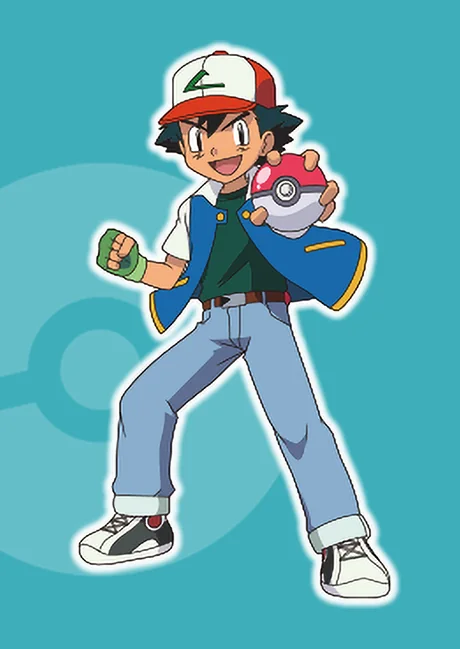
サトシ
Ash Ketchum
Pokémon
Official Pokémon anime art · ©Pokémon/Nintendo/Creatures/GAME FREAK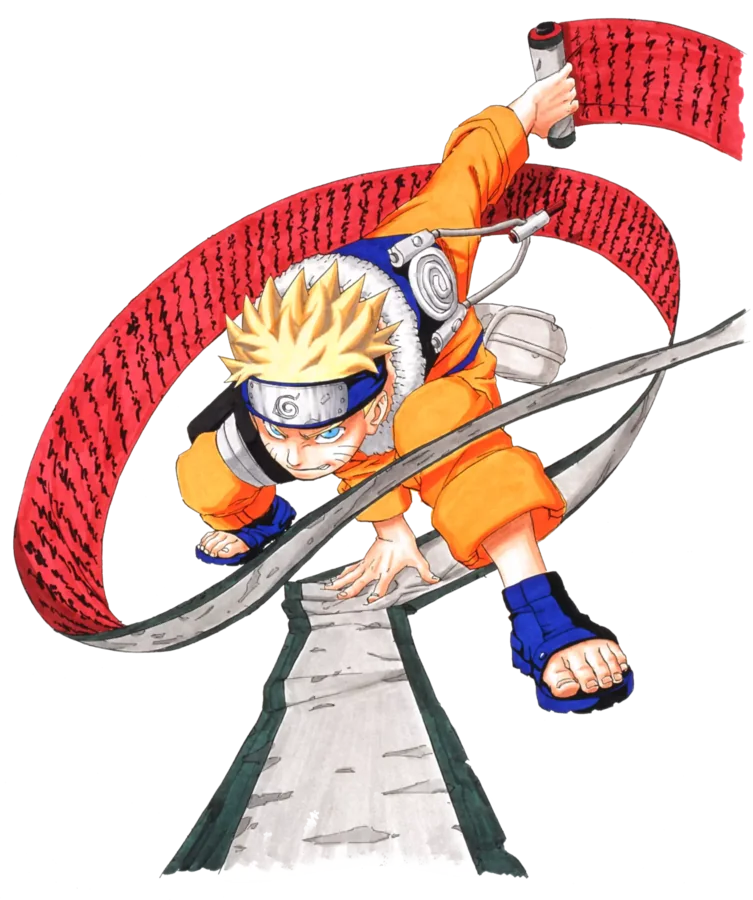
うずまきナルト
Naruto Uzumaki
Naruto
Official Naruto character art · ©1999 Masashi Kishimoto/SHUEISHAFirst, shōnen is not a personality
Shōnen is an audience category—manga and anime primarily marketed toward adolescent boys—not one genre or personality. The Cambridge Dictionary gives that demographic meaning directly, while the Cambridge Companion to Manga and Anime places shōnen beside other publishing categories. Romance, sports drama, gag comedy, and battle epics can all be shōnen.
“The shōnen striver” is therefore this atlas’s editorial lens, not a standard Japanese taxonomy. It names a durable protagonist engine found inside and outside shōnen: fail, practice, return, improve.
Effort becomes plot
The striver starts with a desire big enough to organize a long story. Become Hokage. Become a Pokémon Master. Win the championship. Protect the village. Break the limit. Different goal, same repeatable engine:
- commit to an aim;
- meet resistance;
- discover a weakness;
- train, adapt, or build trust;
- return changed.
Ash Ketchum carries the pattern across an unusually long journey. Wins matter. So do unfamiliar regions, new partners, tactical mistakes, and the willingness to begin again. Naruto Uzumaki gives the cycle a social charge: recognition is not just a prize but an answer to isolation. Every improvement becomes an argument about belonging.
Neither character is only perseverance. The label simply spots the engine that turns setbacks into future chapters.
Why failure is essential
A striver who only wins is not striving. He is demonstrating. Failure gives the story a measuring line. It shows the distance between desire and ability, then lets us watch effort close the gap. Good training arcs change more than a number. Technique, judgment, teamwork, or self-knowledge should change too.
The pattern makes optimism dramatic instead of decorative. Hope feels real because the character has every reason to stop. Continuing is a choice they keep making under new pressure.
The ensemble completes the engine
Strivers rarely grow alone. A rival makes progress measurable. A mentor turns desire into method. A loyal companion reminds the hero what the goal costs everyone nearby. The roles can rotate. Today’s opponent may teach tomorrow’s lesson.
The archetype can appear in any demographic and any gender. “Shōnen” names a famous storytelling lineage, not a border. Its heart is simpler: the self is unfinished, effort matters, and defeat contains information.
That is why the striver travels so well. The battles can be fantastic. The emotional promise is wonderfully ordinary: you can return to what beat you with a better way to try.