ARCHETYPE 11
お嬢様Ojō-sama
Rich-girl energy is only the surface.
status + polish + a world of distance
A signal, not the whole characterSeen in the wild
Characters with this energy
These examples show the pattern at work. No character fits inside a single word.
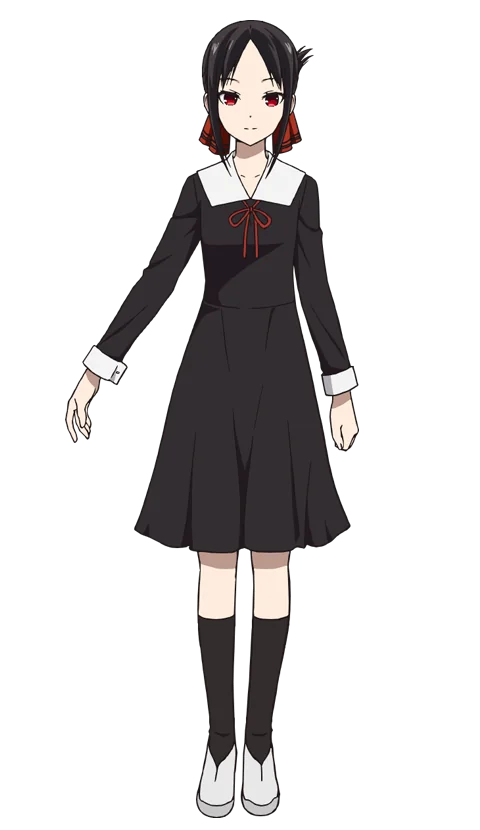
四宮かぐや
Kaguya Shinomiya
Kaguya-sama: Love Is War
Official character art · © Aka Akasaka/SHUEISHA/Kaguya-sama CommitteeThe young lady of the house
Ojō-sama comes from a real honorific expression, not the -dere naming pattern. Dictionaries use it respectfully for another person’s daughter and, historically, for the daughter of an important household. The Kotobank entry also carries the familiar image of someone raised in comfort and insulated from ordinary hardship.
Anime makes that status visible at a glance: perfect posture, formal speech, elite schooling, servants, a grand family name, the famous aristocratic laugh. None is required. Together, they tell a story about class, upbringing, and expectation before the character explains anything.
Status is not temperament
The crucial distinction is between what she is expected to represent and how she seeks affection. An ojō-sama may be gracious, cruel, sheltered, rebellious, shy, or intensely practical. She can be the heroine, the antagonist, the comic eccentric, or the loneliest person in the cast.
Kaguya Shinomiya in Kaguya-sama: Love Is War carries several layers at once. Her pedigree, cultivated manners, family power, and elite environment make ojō-sama a useful lens. Then the romantic mind games reveal how little social mastery prepares her for ordinary honesty. The friction between inherited status and private inexperience is where she becomes interesting.
Erina Nakiri in Food Wars! offers a sharper, more imperious version. Prestige and cultivated taste create the same status code. Pride and defensiveness can add himedere or tsundere patterns in particular scenes.
That is why “rich girl” is too thin. Money is one signal. Manners, lineage, education, and the gaze of a household or institution matter too. A character can use this cultural vocabulary without literal nobility.
What the archetype puts under pressure
Ojō-sama stories test the line between public role and private self. Does refinement hide inexperience? Does privilege grant power but remove choice? Can she form an equal friendship when everyone sees the symbol first?
Comedy plays with the distance between protected upbringing and ordinary life. Convenience stores, public transit, cheap food, casual speech—everything becomes a discovery. Drama flips the joke. The same insulation can make uncomplicated kindness hard to trust and a future outside family duty hard to imagine.
Do not confuse her with a princess-demanding type
A himedere wants princess treatment. An ojō-sama is framed as a young lady of status, whether she likes that treatment or not. One describes behavior and desire. The other describes social role. They overlap often, but neither requires the other.
Read ojō-sama as a class and presentation code. Then ask what she does with it: inhabit it, weaponize it, parody it, or escape it.