ARCHETYPE 24
熱血Nekketsu
All passion, all the time—and everyone feels the heat.
hot-blooded belief + immediate action
A signal, not the whole characterSeen in the wild
Characters with this energy
These examples show the pattern at work. No character fits inside a single word.
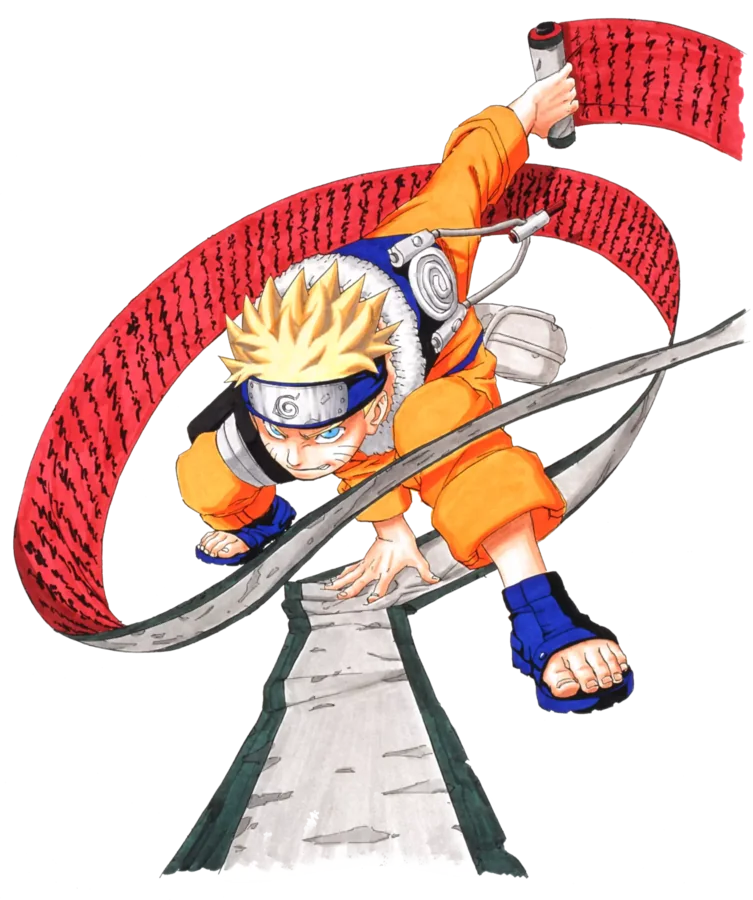
うずまきナルト
Naruto Uzumaki
Naruto
Official Naruto character art · ©1999 Masashi Kishimoto/SHUEISHAHot blood, visible conviction
Nekketsu literally evokes hot blood. Digital Daijisen, collected by Kotobank, defines it through intense passion and ardent spirit. In character language, “hot-blooded” means conviction at full temperature: said aloud, carried in the body, and turned into action almost immediately.
Unlike many fandom compounds here, nekketsu is an ordinary Japanese word with a life beyond anime taxonomy. Fiction turns it into a recognizable performance—shouts, vows, clenched fists, reckless interventions. Underneath it all is earnest passion.
Emotional temperature is the engine
A nekketsu character does not just care. They make caring public enough to change the group. Their certainty can rally frightened allies, provoke a colder rival, or force an institution to admit the compromise everyone else accepts in silence.
Naruto Uzumaki often runs at this temperature. His promises and outrage turn private pain into public argument. His refusal to detach can move enemies as well as friends. But nekketsu only names the heat and outward drive of those moments. It does not contain his loneliness, tactical growth, mischief, or political world.
The power comes from emotional transmission. One person believes hard enough to change what everyone else thinks is possible.
Not a synonym for shōnen
Nekketsu is often tied to battle manga, but shōnen is a publishing demographic, not a temperament. Shōnen stories can follow quiet strategists, anxious artists, deadpan comedians, or heroes who never fight. Hot-blooded characters can appear in any demographic, any gender, and far beyond the protagonist role.
Nekketsu is not the same as this atlas’s shōnen striver. The striver grows through repeated setbacks. A nekketsu character may act from justice or loyalty without chasing mastery. A disciplined striver may stay emotionally restrained.
Genki is another neighbor. Genki is vitality and upbeat motion. Nekketsu carries more ideological heat. Not just “let’s go,” but “this matters, so we have to go.”
Heat needs consequence
At its weakest, this type mistakes volume for depth. Every speech works. Recklessness hurts no one. Conviction replaces judgment. Stronger stories let heat illuminate and burn. Passion can inspire courage, but it can also ignore strategy, consent, exhaustion, or a quieter person’s knowledge.
Growth does not have to extinguish the fire. It can give the fire aim. A mature nekketsu character learns when to listen, how to prepare, and which promises can actually be kept.
Read nekketsu as emotion refusing to stay private. The signature is not the shout. It is the chain reaction after someone dares to mean it in public.