ARCHETYPE 21
ライバルThe Rival
Not just an enemy. A mirror with something to prove.
mirror + pressure + another path
A signal, not the whole characterSeen in the wild
Characters with this energy
These examples show the pattern at work. No character fits inside a single word.
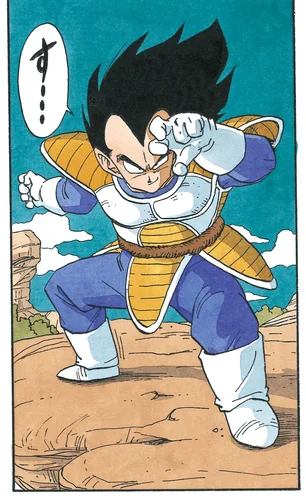
ベジータ
Vegeta
Dragon Ball
Official Dragon Ball character art · ©BIRD STUDIO/SHUEISHAMore than the next obstacle
An enemy blocks the hero. A rival measures them.
This atlas uses rival as an editorial story lens, not a rigid Japanese personality category. The role lives in comparison. Two characters want related things, carry comparable potential, or reach the same threshold by different routes. Each makes the other’s choices easier to see.
That is why a rival can stay important after changing sides. Hostility is optional. Pressure is not.
The alternative path
The strongest rival is a believable counterargument to the hero. One trusts improvisation; the other trusts discipline. One grows through friendship; the other chooses isolation and control. The fight becomes an argument about how a person should grow.
Vegeta’s long relationship with Goku is iconic because the comparison never stops changing. Pride, inherited status, training, family, sacrifice, and the meaning of surpassing someone all pass through it. Vegeta shifts from opponent to ally to comic foil, but Goku remains the measuring point around which he reads his own growth. “Rival” names that relationship. It does not summarize either man.
No combat is required. Academic rank, artistic style, romantic attention, business success, or competing ideals can create the same mirror.
Three jobs a rival can do
First, a rival makes progress visible. A new technique matters because it closes a known gap. Second, they create pressure without exposition. Their arrival says the current level is not enough. Third, they reveal desire under desire. The need to win may hide a need for respect, identity, forgiveness, or proof.
A good rivalry changes both people. If only the hero learns while the rival stays a fixed yardstick, the relationship becomes a leaderboard. Mutual influence gives every rematch history.
Rival is a relationship, not a moral rank
Rivals are often mistaken for villains, antiheroes, or colder versions of the hero. They can be any of those. They do not have to be. A friend can be a rival. Two decent people can sharpen each other. A villain may not be a rival at all if their paths never meaningfully compare.
The role also stacks with temperament. A rival may be tsundere, kuudere, ojō-sama, or nekketsu. Those labels describe presentation. Rivalry describes the line between two characters.
Read that line. What does each person envy, reject, and quietly learn from the other? The best rival is not the hero’s opposite. They are the hero’s uncomfortable possibility.