ARCHETYPE 22
師匠The Mentor
The one who shows the way—then steps back.
hard lesson + useful tool + room to grow
A signal, not the whole characterSeen in the wild
Characters with this energy
These examples show the pattern at work. No character fits inside a single word.
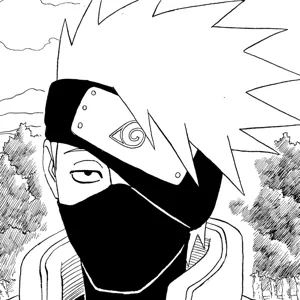
はたけカカシ
Kakashi Hatake
Naruto
Official NARUTOP99 character art · ©1999 Masashi Kishimoto/SHUEISHAA function, not an age bracket
This atlas uses mentor as an editorial story role. The mentor knows something the protagonist needs, but information is not enough. A manual can explain a technique. A mentor reads the learner, chooses the test, withholds the easy answer, and makes growth possible.
The familiar mentor is older, eccentric, and obviously powerful because those signals establish authority fast. None is required. A peer can mentor for one arc. A former enemy can teach one decisive lesson. The role belongs to the relationship, not one permanent character.
Turning desire into practice
The striver says, “I will become stronger.” The mentor asks: stronger how, for what, and at what cost?
Kakashi Hatake performs several versions of this work in Naruto. He teaches concrete skills, but his best tests expose cooperation, judgment, and the gap between repeating a rule and understanding it. His relaxed manner makes each serious moment count. “Mentor” highlights his effect on Team 7. It does not erase the shinobi, survivor, leader, or flawed adult.
Good mentor scenes make method visible. Breath. Repetition. Observation. A failure condition. One deceptively simple exercise. Power stops feeling bestowed and starts feeling learned. The student’s competence belongs to both instruction and effort.
Why the mentor cannot solve everything
A permanently available expert kills suspense. So mentors have limits: injury, secrecy, duty, mistaken beliefs, an opponent of their own, or the simple fact that one person’s answer cannot become another person’s identity.
The most important limit is developmental. At some point, the learner must choose without the teacher’s approval. A mentor who provides every answer creates obedience, not growth. Departure, defeat, or disagreement can open that space. So can a living mentor who simply steps back.
Authority deserves scrutiny
Anime often treats punishing training, neglect, or secrecy as proof of wisdom. Those choices can create drama without becoming good teaching. Ask whether the test is calibrated, whether the student can consent, and whether the mentor accepts responsibility for harm.
The mentor can also be wrong. That inherited error can make the role richer. The student learns the technique, spots the worldview bundled inside it, and chooses what to keep.
The completed lesson
The mentor’s payoff is not a student who becomes a copy. It is a student who can surprise the teacher.
That separates a mentor from a power dispenser. The tool matters. The demonstration matters. The speech may matter. But the real result is independent judgment at the next threshold.