ARCHETYPE 23
忠実な相棒The Loyal Sidekick
Always there—and never just an accessory.
loyal heart + honest witness + counterweight
A signal, not the whole characterSeen in the wild
Characters with this energy
These examples show the pattern at work. No character fits inside a single word.
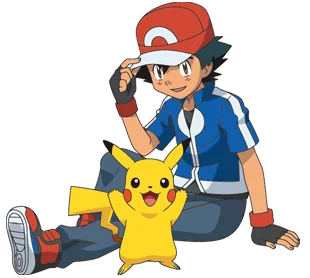
ピカチュウ
Pikachu
Pokémon
Official Pokémon TV art · ©Nintendo/Creatures/GAME FREAK/TV Tokyo/ShoPro/JR Kikaku“Sidekick” should describe structure, not worth
“Sidekick” can sound like “second-rate.” Here it only describes the camera: the central quest belongs mostly to someone else, while this companion stays close enough to witness the cost.
The loyal sidekick is this atlas’s editorial lens, not a formal Japanese character category. The role combines dependable presence with emotional honesty. When the hero disappears into the goal, the sidekick remembers the relationship inside the quest.
The courage to be uncomplicated
Pikachu is the defining companion in Ash Ketchum’s Pokémon journey. Their first episode starts with friction. The long story turns that rough beginning into trust strong enough to carry departures, defeats, reunions, and whole new regions. Pikachu can change the plot, show the emotional temperature, and connect every new cast to one continuing friendship.
Calling Pikachu a sidekick does not make the character an accessory. It names one structural function: Ash points to the next horizon, while Pikachu’s consent, reactions, and loyalty keep that ambition relational. The lasting image is not a trainer beside a tool. It is two heroes choosing the journey together.
Kazuma Kuwabara in Yu Yu Hakusho plays the role in a louder human register. He boasts, blunders, protects his friends, and says what cooler characters hide. Different surface, same function: visible attachment gives both hero and audience an ethical measure.
Four things loyalty can do
Loyalty gives the hero a witness. Someone knows the whole road and can see a change that strangers would miss.
It gives the story stakes. An abstract mission turns personal when a companion can be disappointed, endangered, or left behind.
It provides a counterweight. The hero talks about victory, vengeance, or destiny. The sidekick asks about dinner, family, promises, and whether anyone is still living a life.
Finally, it allows truth without ceremony. This companion has earned the right to puncture a speech, call out self-pity, or offer reassurance in plain words.
Loyalty is not submission
The weak version agrees with everything. The strong version can refuse. A companion who never challenges the hero is an accessory. One who risks the friendship to stop a destructive choice is loyal to the person—not the plan.
The role does not have to be comic, male, less powerful, or permanent. It can rotate through an ensemble. A sidekick in one relationship may be the protagonist in another.
Ask what becomes possible because someone stays. Often the answer is not “the hero wins.” It is “the hero remains reachable.”